


Program Overview
Bachelor of Science in Civil Engineering
As a civil engineering student, you will learn how to plan, design, construct, operate, and maintain the infrastructure systems that shape modern communities. Through a curriculum that combines theory, practice, and innovation, you will develop the expertise needed to address real-world challenges, including the rehabilitation and modernization of aging infrastructure, the design of sustainable and resilient systems, environmental protection, and the creation of healthy and sustainable communities.
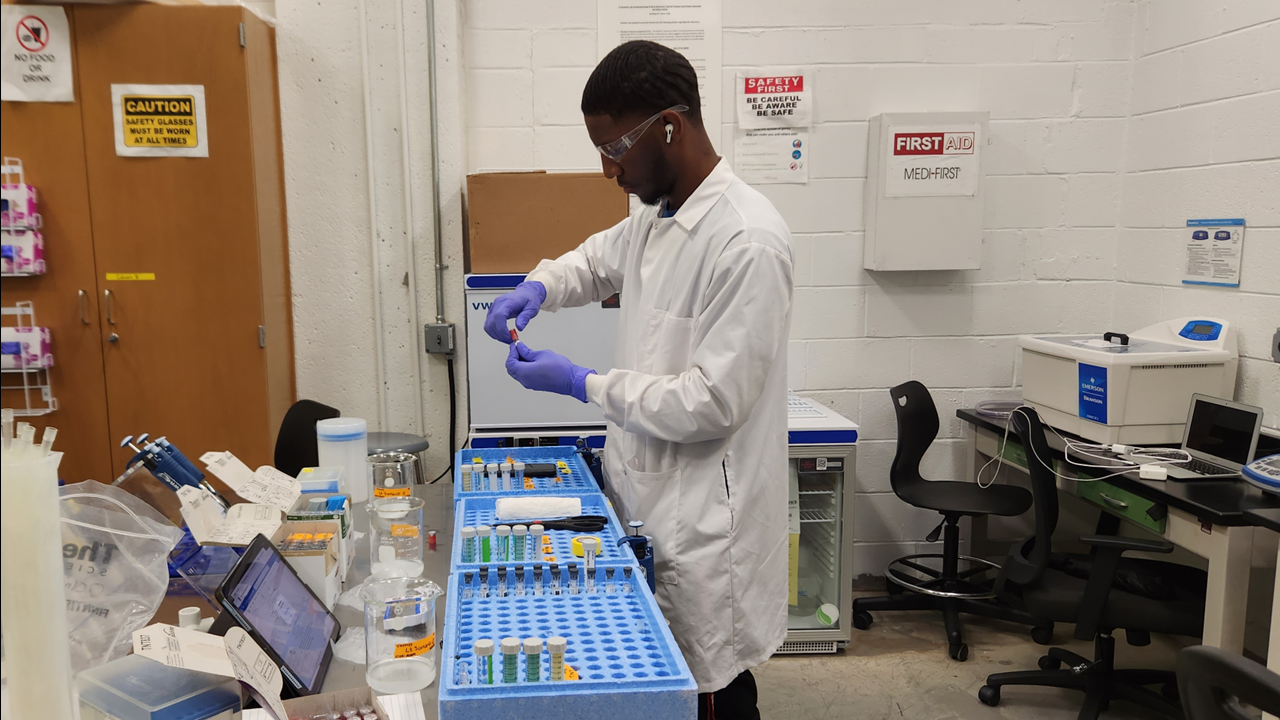
Hands-on learning experiences, research opportunities, internships, and close mentorship from dedicated faculty prepare students to excel in the workforce, pursue advanced studies, and become future leaders in the profession. Graduates are well positioned for careers in consulting, construction, transportation, environmental engineering, water resources, geotechnical engineering, structural engineering, and public service, where they contribute to building a safer, smarter, and more sustainable world.
Students benefit from small class sizes, personalized advising, and a supportive learning environment that fosters academic success and professional growth. In addition, qualified students may accelerate their educational journey through the integrated Bachelor's-to-Master's degree program, earning both degrees in as little as five years.